
One of the most frustrating experiences for a Dungeon Master is spending hours on D&D villain design only to watch the players shrug when the Big Bad Evil Guy (BBEG) finally appears. You create a cool backstory, a menacing look, and a deadly stat block, but the emotional impact falls flat at the table. This disconnect often happens because many DMs treat the villain as a character to be acted out rather than a system that drives the campaign. A truly memorable long-term D&D villain isn’t defined by their monologue; they are defined by the pressure they exert on the world and the choices they force the players to make over months of play.
To create a recurring villain D&D players actually care about, you need to shift your focus from “who is this person” to “what does this person do to the game.” Payoff doesn’t magically appear in the final session; it accumulates slowly through three specific mechanics: consistent presence between sessions, player-facing choices that alter the villain’s plans, and a defeat that feels earned through gameplay, not just combat. If the villain only exists when they are in the room, they aren’t a campaign villain 5e; they are just a boss monster with a name tag.
We are going to reframe the villain arc D&D as a structural tool for your entire campaign. Instead of writing a linear story that risks being derailed by chaotic players, we will build a responsive framework that adapts to their actions while maintaining a coherent threat. This approach prevents the common problem of “villain drift,” where the antagonist’s goals become vague or contradictory over time. By treating the villain as an active force with clear rules of engagement, you ensure that every encounter builds toward a satisfying climax.
This guide provides a practical framework for building villains with long-term DND campaign payoff. You won’t find abstract creative writing advice here; instead, we will focus on templates, pacing tools, and anti-railroading safeguards that keep the game moving. From reverse-engineering the finale to designing “lieutenants that matter,” every step is designed to make your villain feel like a living, breathing threat that demands the players’ attention.
- D&D Villain Design for Long-Term Payoff: Start with the Ending
- The Villain’s “Lie” Is the Engine of the Villain Arc
- Villain Foreshadowing That Players Actually Notice
- Villain Plans That React to the Party Without Railroading
- Escalation Ladder: Visible Stakes That Evolve the World
- Personal Stakes Without Forced Backstory Coincidences
- Lieutenants That Matter: Tools for Reveal, Pressure, and Variety
- Rival Villains and Conflict Networks That Keep the Campaign Moving
- DND Villain Encounters That Don’t End in a TPK
- Villain Escapes Done Right: If They Live, They Lose Something
- Defeat Conditions That Feel Earned: More Than HP
- Making the Villain Feel Present Between Sessions
- Low-Prep Villain Toolkit: The Worksheet You Actually Use
- The Mechanics of Presence: Surviving Face-to-Face Contact
- Final Thoughts: Long-Term Payoff Comes From Pressure + Choice + Earned Closure
D&D Villain Design for Long-Term Payoff: Start with the Ending
The secret to effective D&D BBEG design is to start at the end. Instead of trying to guess where the story might go, imagine the final confrontation and reverse-engineer the steps required to get there. This “payoff-first” method ensures that every clue, lieutenant, and plot hook points toward a specific, inevitable climax. When you know the ending, you can plant seeds in session one that will blossom in session fifty, creating a sense of narrative payoff that feels planned and rewarding.
This approach anchors your campaign structure, preventing the story from wandering aimlessly. It allows you to foreshadow the villain’s ultimate goal with confidence, knowing that the players will eventually reach that point. It also helps you identify what “must be true” for that finale to happen, giving you a checklist of intermediate goals for the villain to pursue. If the finale involves a ritual to swallow the sun, the villain needs to acquire artifacts, secure a location, and remove threats—all of which become actionable adventures for your players.
Try my AI Tabletop RPG generators...and an extensive library of content!
Design the Villain Around a Payoff Scene (Then Reverse-Engineer)
Pick a concrete “End Image” for your villain’s victory—a coronation, a public execution, a city burning, or an apotheosis. Once you have this image, work backward to determine the logistical steps required to make it reality. This creates a natural roadmap for your campaign.
| Payoff Scene (The End Image) | What Must Be True for This to Happen? | Early Foreshadowing Opportunity |
|---|---|---|
| The Sun-Eater Ritual | The villain needs the Solar Gem, a high-altitude temple, and a distraction for the guards. | Players find a mine stripped of all sun-themed crystals; locals complain of “testing” blackouts. |
| The Usurper’s Coronation | The current King must be dead/disgraced; the villain needs noble support and public love. | The villain funds a popular festival; rumors of the King’s “madness” start appearing in taverns. |
| The Lich’s Ascension | The villain needs 1,000 souls, a specific ley line nexus, and a phylactery hidden safely. | People go missing in the slums; the party finds weird magical conduits being built in sewers. |
| The Gate to Hell Opens | The 7 Seals must be broken; the villain needs a blood sacrifice of royal lineage. | Cultists are caught trying to steal minor holy relics; a distant royal cousin vanishes. |
| The City Burns | The city’s water wards must be disabled; the villain needs massive amounts of alchemist’s fire. | A fire at the water treatment plant is blamed on negligence; alchemists report bulk orders of oil. |
| The Dragon’s Awakening | The villain needs the Dragon Orb, to silence the dragon hunters, and gold for a hoard. | Dragon hunters are found murdered; a bank heist leaves gold coins melted into slag. |
| The Hive Mind Takeover | The queen needs to infect the water supply; the villain needs to silence the healers. | Healers are “reassigned” to distant posts; strange slimy residue is found in village wells. |
Reverse-engineering builds momentum because the players are constantly uncovering pieces of a puzzle that clearly fit together, rather than random events that only make sense in the DM’s head.
The Villain’s “Lie” Is the Engine of the Villain Arc
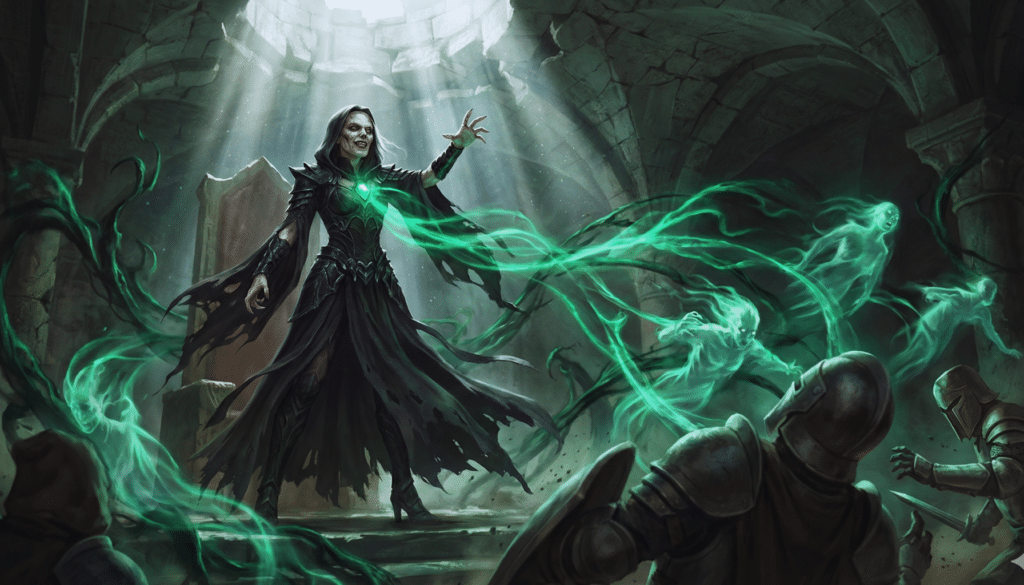
A villain is more than a stat block; they are a philosophy in action. The villain motivation shouldn’t just be “I want power,” but rather a “Villain Lie”—a core false belief that justifies their atrocities. This lie drives their plan, shapes their dialogue, and defines what “defeat” looks like beyond reducing their hit points to zero. The lie is the source of dramatic irony and thematic conflict in your campaign; it is the argument the villain is having with the world.
Goals like “conquer the world” eventually end—either they succeed or fail. But a lie like “freedom causes chaos” creates recurring conflict because the villain will constantly try to “fix” the world’s freedom. This engine generates infinite plots because the villain creates new problems every time they try to apply their twisted logic to reality.
⚔️ Fantasy RPG Random Tables Books
Make life as a Gamemaster easier…
If you play Dungeons & Dragons, Pathfinder, or other fantasy RPGs, this
RPG random tables series
is packed with encounters, NPCs, treasure, and more. Available in eBook or print—either way, you’ll have a wealth of adventure ideas at your fingertips.





Writing a Villain Lie Players Can Break
The lie shouldn’t be a speech; it should be visible in the villain’s policies, cruelty, and even their moments of mercy. You want to express the lie through action so the players can argue against it with their swords and their choices. If the villain believes “mercy is weakness,” show them sparing a rival only to be betrayed, reinforcing their belief. The campaign then becomes a debate where the players prove that mercy is strength.
- Order requires cruelty: The villain executes bread thieves to “maintain order.” Disproven by: Players solving crime through community aid, showing order without fear.
- Only blood deserves power: The villain only respects nobles/sorcerers. Disproven by: A commoner uprising or a non-magical PC defeating their champion.
- People must be saved from choice: The villain mind-controls a town to stop crime. Disproven by: The town rebelling, preferring dangerous freedom over safety.
- Truth is dangerous: The villain burns libraries to “protect” minds. Disproven by: Forbidden knowledge saving the kingdom from a plague.
- Mercy is weakness: The villain kills their own wounded. Disproven by: The players healing an enemy who then helps them win.
- Emotion is inefficiency: The villain turns people into constructs. Disproven by: A construct resisting orders due to a lingering memory of love.
- The past dictates the future: The villain punishes descendants for ancestors’ sins. Disproven by: An NPC breaking a generational cycle of violence.
- Strength entitles rule: The villain challenges leaders to combat. Disproven by: The party using teamwork to defeat a stronger individual foe.
- Isolation is safety: The villain walls off the kingdom. Disproven by: Allies from outside saving the kingdom from an internal threat.
- Destruction brings rebirth: The villain burns forests to “renew” them. Disproven by: Druids healing the land without fire, proving growth doesn’t require death.
The best villain defeat involves ideological collapse alongside practical collapse—when the players prove the villain wrong right before they strike the final blow.
Villain Foreshadowing That Players Actually Notice
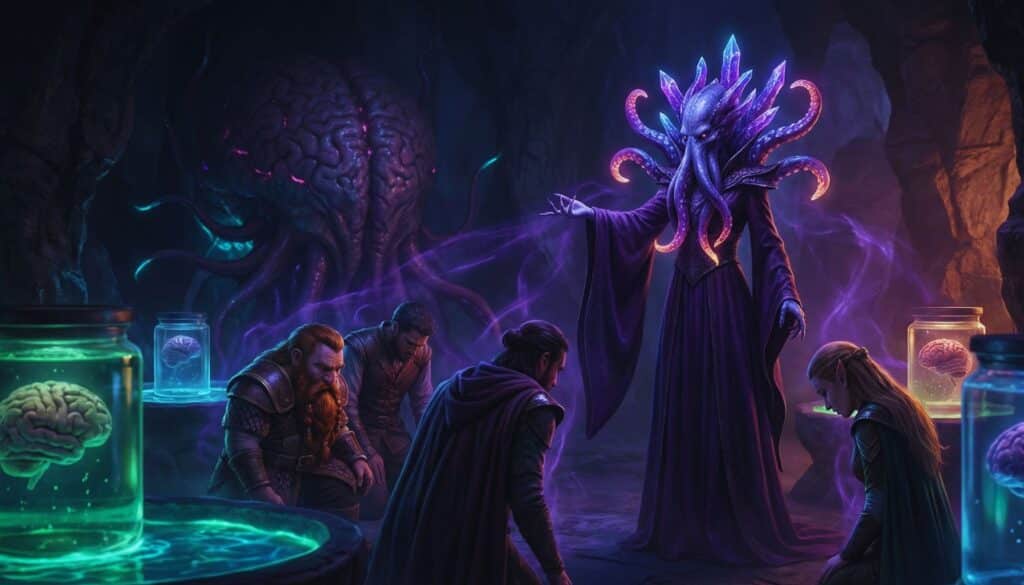
Most villain foreshadowing fails because DMs overestimate how much players pay attention. Hints that seem obvious behind the screen are often missed or forgotten by the time the reveal happens. To create effective villain breadcrumbs, you need redundancy and consistency. Foreshadowing shouldn’t be a single clever clue; it should be a trail of evidence that becomes impossible to ignore. Using secrets and mysteries effectively means giving players enough dots that they can draw the line themselves.
Breadcrumb Redundancy: 3 Clues per Truth
Use the “3 Clues per Truth” rule to ensure your villain clues land. For every major piece of information you want the players to know, create a Rumor, a piece of Physical Evidence, and a Witness Account. This creates a safety net; if they miss the rumor and misinterpret the evidence, the witness can set them straight.
| Villain Truth | Rumor Clue (Tavern/Town) | Evidence Clue (Dungeon/Site) | Witness Clue (NPC Interaction) | What It Points Toward |
|---|---|---|---|---|
| The Mayor is a Doppleganger | “The Mayor forgot his own wife’s name yesterday.” | Gray slime found in the Mayor’s trash. | A guard saw two Mayors in the hallway at night. | The leader has been replaced. |
| The Dragon is Undead | “Cattle are dying of rot, not bites.” | Necrotic residue on a scorched tree. | A hunter saw the dragon’s ribs showing through scales. | The threat is dracolich, not just dragon. |
| The Cult is in the Palace | “Nobles are wearing weird red jewelry lately.” | A cult robe found with a royal crest on the hem. | A servant heard chanting from the Duke’s room. | High-level infiltration. |
| The Villain is a Fallen Paladin | “The Black Knight fights with holy style, but corrupted.” | A defaced holy symbol of [God] found at the camp. | A priest recognizes the villain’s sword technique. | Redemption or tragedy is possible. |
| The Plague is Artificial | “Only the strong are getting sick, not the weak.” | Alchemical vials found near the ‘patient zero’ site. | An apothecary says the symptoms are mathematically precise. | This is an attack, not nature. |
| The War is a Distraction | “Why are troops moving away from the front?” | Orders found diverting gold to a remote excavation. | A soldier complains they are guarding a hole, not a border. | The real goal is the excavation. |
Redundancy makes twists feel fair because when the reveal happens, players look back and see all the signs they missed, rather than feeling tricked.
Signature Consequences Instead of Constant Cameos
You don’t need the villain to show up every session to make them feel like a living threat. Instead, use villain consequences—distinctive aftermaths that scream the villain’s name. Give your villain a “calling card” or a signature style of destruction that players recognize instantly. This keeps the villain present in the players’ minds even when they are miles away.
- Cursed Ash: Every site the villain destroys is covered in gray, cold ash.
- Missing Tongues: All victims are found alive but silenced, implying a need for secrecy.
- Altered Laws: Towns conquered by the villain immediately enforce bizarre, specific curfews.
- Vanished Ships: Coastal raids leave no wreckage, implying capture rather than sinking.
- Identical Propaganda: The exact same “New Order” posters appear in unrelated towns.
- Branded Coins: Gold found in the region is stamped with the villain’s sigil over the king’s face.
- Petrified Animals: Wildlife near the villain’s base turns to stone.
- Freezing Temperature: The air gets unnaturally cold when the villain’s agents are near.
- Uniform Scars: All minions bear a specific brand or ritual scar.
- Silence: Music and laughter are banned in occupied zones.
- Clockwork Replacements: Victims are found with mechanical limbs, signaling the artificer villain.
- Green Fire: Scorch marks are emerald green, signaling the villain’s fel magic.
Presence-through-effects avoids the “they escape again” fatigue by allowing you to showcase the villain’s power without risking a premature combat encounter.

Villain Plans That React to the Party Without Railroading
Linear villain timelines often break in sandbox campaigns because players rarely do what you expect. If your plan relies on the players being in City A on Day 5, you’re going to be disappointed when they go to the forest instead. To maintain player agency while keeping the villain effective, replace rigid schedules with flexible villain schemes that react to the world state. This emergent storytelling approach makes the villain feel intelligent and adaptable.
Replace a Timeline With Branching Policies
Instead of a calendar, give your villain 3–5 “Policies”—if/then statements that govern how they react to disruption. This allows you to improvise the villain’s response to any player action while keeping their behavior consistent.
- If exposed publicly → Scapegoat a lieutenant and go underground.
- If funds are cut → Raid a merchant convoy to replenish gold.
- If PCs ally with the Church → Assassinate the High Priest to sever the link.
- If a base is discovered → Burn it down and move assets to the backup site.
- If the artifact is stolen → Kidnap an NPC the PCs love to force a trade.
- If the PCs kill a lieutenant → Promote a rival and send them to hunt the PCs.
- If the ritual is disrupted → Accelerate the timeline, attempting a risky, hasty version.
- If the PCs leave the region → Consolidate power and fortify defenses.
- If the King dies → Launch the coup immediately.
- If the PCs try to negotiate → Feign agreement to lure them into a trap.
Policies preserve agency because the players’ actions directly trigger the villain’s response, making the world feel reactive rather than scripted.
Contingency Plans That Don’t Feel Like Plot Armor
Smart villains have villain contingency plans, but these shouldn’t just be “I teleport away lol.” A good contingency creates a fail forward moment—the villain survives, but they lose something valuable, and the players gain a new opportunity. This ensures that even when the villain escapes, the players feel like they struck a blow.
| Contingency Trigger | Villain Response | What the PCs Gain (The Cost to Villain) |
|---|---|---|
| Villain drops to <20% HP | Smashes a support pillar to collapse the ceiling. | The villain escapes, but loses their lair/base. |
| Villain is Counterspelled | Activates a one-use artifact to teleport. | The villain lives, but burns a priceless resource. |
| Villain is cornered | Threatens to kill a hostage. | PCs save the hostage (win), villain escapes (loss). |
| Base is breached | Releases a monster they were containing. | Villain flees, but loses their “secret weapon” monster. |
| Plan A fails | Detonates explosives to hide evidence. | Villain escapes, but PCs verify their guilt via the blast. |
| Lieutenants fall | Villain absorbs their souls to power up. | Villain escapes, but has no minions left for next time. |
A reactive villain must still be vulnerable. Contingencies should buy time, not immunity.

Escalation Ladder: Visible Stakes That Evolve the World
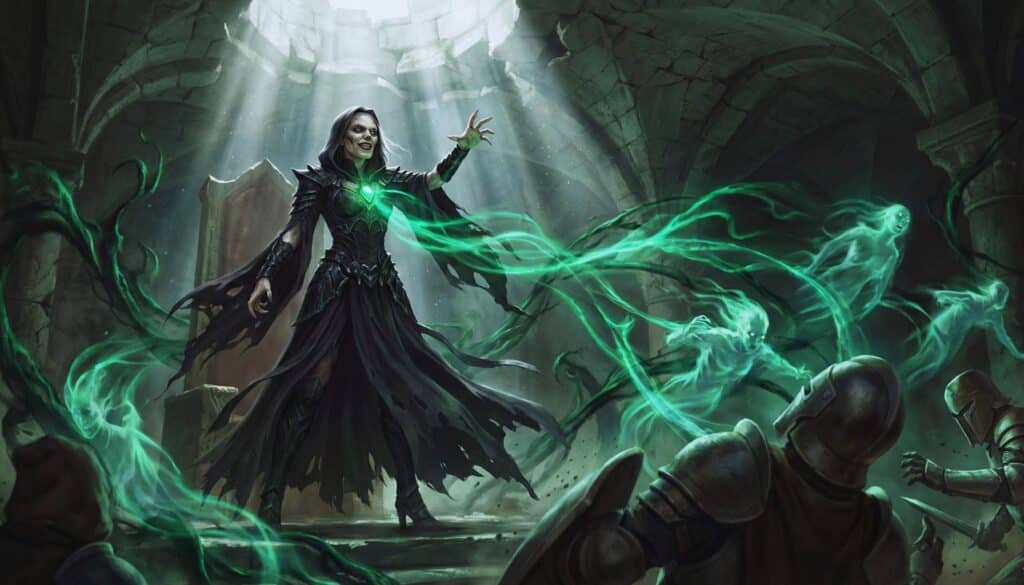
Villain escalation is critical for pacing. As the campaign progresses, the villain’s actions should change the world state in obvious, irreversible ways. Escalating stakes shouldn’t just mean higher CR monsters; it should mean narrative pressure that forces the players to act. Build a 5-rung ladder where each step represents the villain getting closer to their goal and the world getting darker.
The 5-Rung Escalation Ladder
| Rung | Visible Symptom (World State) | New Threat | Player Opportunity to Intervene |
|---|---|---|---|
| 1. Shadow Phase | Rumors of disappearances; weird weather. | Spies and low-level scouts. | Investigate rumors; catch a spy. |
| 2. Overt Action | A village is raided; a minor artifact is stolen. | Organized raiding parties; Lieutenants. | Defend a town; intercept a raid. |
| 3. Power Grab | A city is occupied; a major NPC is assassinated. | Siege weapons; Elite guards; Martial Law. | Liberate a district; rescue the NPC’s heir. |
| 4. The Tipping Point | The sky changes color; magic becomes unstable. | Extraplanar entities; The Dragon wakes. | Sabotage the ritual site; steal the key. |
| 5. The End Game | The villain’s army marches on the capital. | The Avatar of the God; The Villain themselves. | Final Battle; Lead the defense. |
Escalation makes delay costly. If the players ignore Rung 2, the world moves to Rung 3, and the problem gets harder to solve.
Personal Stakes Without Forced Backstory Coincidences
Avoid the cliché of “The villain killed your parents” unless the player specifically asked for it. Personal stakes are stronger when they are forged in gameplay through present-tense relationships. Use character backstory tie-ins sparingly; instead, build relationship webs that pull the PCs into the villain’s orbit right now.
Relationship Webs That Pull PCs Into the Villain Arc
- The Patron: The villain is the one funding the PC’s guild (unknown to them). Villain cuts funding if PCs investigate.
- The Rival: The villain employs the PC’s hated rival from backstory. Villain empowers the rival to humiliate the PC.
- The Debtor: The villain holds the debt of the PC’s family. Villain offers to forgive debt for a “favor.”
- The Protected NPC: The villain threatens the favorite shopkeeper the PCs love. Villain kidnaps the shopkeeper as leverage.
- The Shared Faction: The villain is a high-ranking member of the PC’s own order. Villain gives the PC orders that conflict with morals.
- The Mentor: The villain was the teacher of the PC’s mentor. Villain knows all the PC’s techniques.
- The Creditor: The PC needs a rare item; the villain has it. Villain offers a trade.
- The Love Interest: The villain is courting the PC’s sibling/love interest. Villain uses social events to mock the PC.
- The Victim: The villain cursed the PC with a slow-acting disease. Villain holds the only cure.
- The Supplier: The villain controls the supply of magic ink the Wizard needs. Villain embargoes the party.
- The Fan: The villain admires the PC’s strength and wants to recruit them. Villain sends gifts after battles.
- The Mirror: The villain has the same goal as the PC, but uses evil methods. Villain invites PC to “join the winning side.”
Relationships create agency because players can act on them immediately. They don’t have to remember a backstory detail; they just have to care about the NPC in front of them.
The Villain Offer: Temptation Is Better Than Hate
Villains become memorable when they offer moral dilemmas rather than just threats. Temptation creates meaningful choices and sustained engagement because the players have to actively reject the villain’s help.
⚔️ Fantasy RPG Random Tables Books
Make life as a Gamemaster easier…
If you play Dungeons & Dragons, Pathfinder, or other fantasy RPGs, this
RPG random tables series
is packed with encounters, NPCs, treasure, and more. Available in eBook or print—either way, you’ll have a wealth of adventure ideas at your fingertips.
- End a War: “I can stop the invasion tomorrow, if you let me rule the borderlands.” (Cost: Tyranny)
- Revive Someone: “I can bring back your dead friend, if you bring me the artifact.” (Cost: Unleashing a curse)
- Grant Titles: “I will make you Duke of this city, if you look the other way.” (Cost: Betraying the King)
- Erase Crimes: “I can wipe your bounty record clean.” (Cost: Doing a dirty job)
- Reveal Truth: “I can tell you who really killed your father.” (Cost: Listening to my speech)
- Save a Town: “I will spare this village, if you give me the prisoner.” (Cost: Sacrificing one for many)
- Power Up: “I can unlock your hidden potential (Feat/Spell).” (Cost: Corruption point)
- Peace: “Walk away, and I promise no one else gets hurt.” (Cost: Allowing the villain to win)
- Revenge: “I will give you the location of your enemy.” (Cost: You owe me a favor)
- Safety: “I will give you safe passage through the wasteland.” (Cost: Leaving others to die)
Temptation forces the players to define their hero’s values.
Lieutenants That Matter: Tools for Reveal, Pressure, and Variety
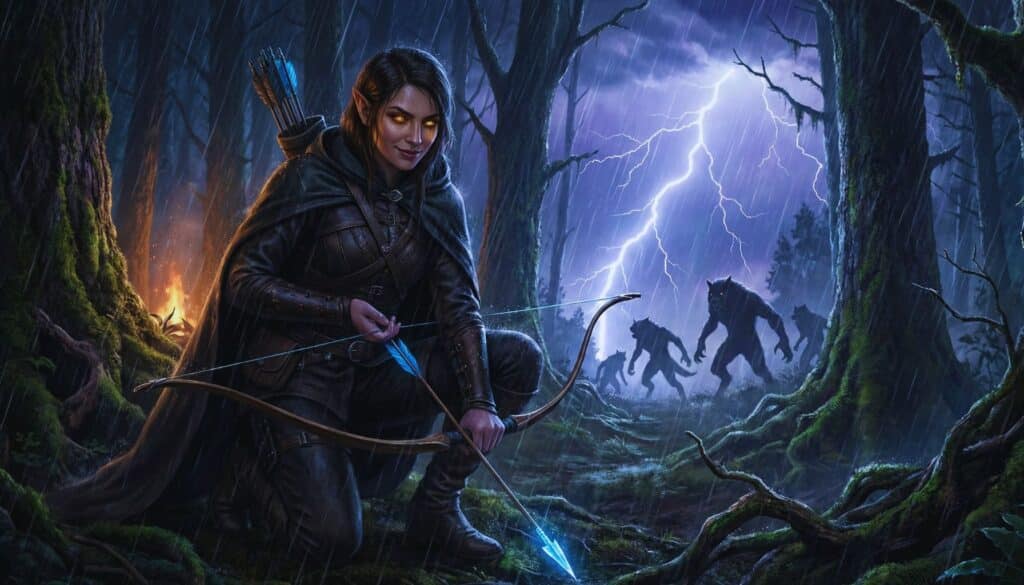
Villain lieutenants are your most useful tools. They are not just minibosses; they are the face of the villain for most of the campaign. Use villain minions as distinct recurring NPCs who embody different aspects of the BBEG’s plan.
Lieutenants as Viewpoints of the Villain
| Lieutenant Archetype | What They Reveal About Villain | Their Method | Signature Scene Type |
|---|---|---|---|
| The True Believer | The villain’s philosophy is compelling to some. | Martyrdom / Speech | A public sacrifice or sermon. |
| The Mercenary | The villain has vast resources. | Pragmatic violence | A professional ambush or heist. |
| The Monster | The villain is cruel and inhuman. | Terror / Brutality | A massacre or public display. |
| The Manipulator | The villain is politically savvy. | Lies / blackmail | A dinner party or court trial. |
| The Victim | The villain forces people to serve. | Reluctant combat | A tragedy where they beg for death. |
| The Rival | The villain encourages internal competition. | Showboating | A duel or challenge. |
| The Artificer | The villain is technologically advanced. | Machines / Traps | A dungeon gauntlet. |
Lieutenants make the villain feel three-dimensional long before the finale by showing the range of their influence.
The Lieutenant Ladder: Escalation Without Repeating the Same Fight
Rotate your lieutenants to keep encounters fresh. This pacing tech ensures you aren’t just fighting “cultist captain” five times.
- Negotiation: The Face Lieutenant tries to buy the PCs off.
- Ambush: The Assassin Lieutenant tries to kill them on the road.
- Trial: The Lawyer Lieutenant drags them into legal trouble.
- Heist Defense: The Guardian Lieutenant protects the vault.
- Propaganda Event: The Bard Lieutenant turns the crowd against them.
- Hostage Crisis: The Desperate Lieutenant creates a standoff.
- Ritual: The Mage Lieutenant races the clock to finish a spell.
- Duel: The Honor-Bound Lieutenant challenges the Fighter 1v1.
Variety maintains long-term freshness and forces the players to adapt their tactics.
Rival Villains and Conflict Networks That Keep the Campaign Moving
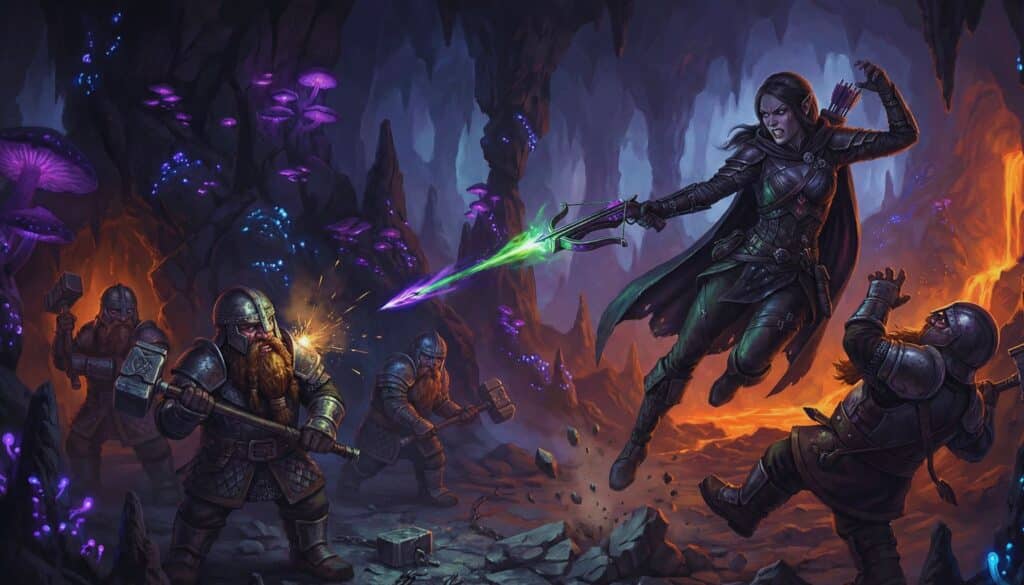
A static BBEG waiting in a castle is boring. Giving the BBEG a villain rival creates motion and leverage. Even when the PCs hesitate, the competing agendas of the villains will force the story forward. Secret alliances and betrayals and coups generate play automatically.
Designing a Rival Who Can’t Coexist With the BBEG
- Territorial Dispute: An Orc Warlord invades the Lich’s swamp. PCs can help one or let them bleed each other.
- Artifact Race: A Thief Guildmaster wants the same gem as the Cult Leader. PCs can use the Thief to steal from the Cult.
- Ideology Clash: A Zealot wants to purge the city; the Tyrant wants to rule it. PCs must choose the lesser evil.
- Leadership Dispute: The Villain’s Dragon Lieutenant wants to usurp them. PCs can support the coup.
- Proxy War: Two villains sponsor opposing noble houses. PCs get hired by one house.
- Resource Scarcity: Both villains need the same magic mine. PCs can destroy the mine to stop both.
- Ancient Hatred: The Vampire hates the Werewolf lord. PCs can use the feud to distract them.
- The Inspector: An Inquisitor arrives to hunt the Villain, but also hunts the PCs. Three-way conflict.
- The Ex-Partner: A former ally of the Villain seeks revenge. Source of info for PCs.
- The Natural Disaster: A Tarrasque wakes up, threatening everyone. Temporary truce required?
Rivals turn politics into action and give the players leverage to exploit.
DND Villain Encounters That Don’t End in a TPK
Villain Setpieces for Meaningful Interaction You need villain setpieces where the BBEG and the party interact without one side dying immediately. Establishing encounters that hinge on objectives beyond mere combat can elevate the stakes and allow for character-driven moments. For example, create scenarios where negotiation, retrieval of an artifact, or sabotage of a villainous plot are the main goals, with the threat of conflict looming but not inevitable.
This design encourages players to engage with the villain’s ideals and strategies instead of defaulting to lethal force. Crafting these encounters requires a balance of tension and agency, allowing for dialogue, moral choices, and potential alliances that enrich the narrative without leading to a quick character death. By providing paths to success that don’t revolve around eliminating the antagonist immediately, you create opportunities for memorable interactions and complex relationships that resonate throughout the campaign.
Setpiece Encounters With Multiple Exit Conditions
| Setpiece Type | Objective | Fail-Forward Consequence | How It Advances Arc |
|---|---|---|---|
| The Extraction | Escape with the NPC/Item. | Party escapes without item; Villain keeps it. | Establishes Villain’s power; sets up heist. |
| The Theft | Steal the key from Villain’s belt. | Villain notices; chase sequence ensues. | PCs get key but are hunted; Villain reinforces security. |
| The Exposure | Trick Villain into revealing plan. | Villain keeps cool; PCs look like fools. | Public opinion shifts; clues revealed. |
| The Rescue | Save civilians from ritual. | Save half; Villain completes part of ritual. | Stakes raised; Villain hates PCs for interference. |
| The Delay | Hold the line for 5 rounds. | Line breaks; Villain advances faster. | Allies escape; PCs buy time. |
| The Social | Win the debate at the ball. | Villain wins crowd; PCs lose rep. | Villain gains political power; PCs gain intel. |
Flexible win conditions preserve agency and tension without forcing a premature end to the campaign. They enable players to take ownership of the narrative, creating victories that feel hard-won and validating their investment. Instead of a binary win/loss scenario, design conditions that allow for partial successes or unexpected outcomes. For instance, players might thwart a villain’s plan but at a significant cost, or they might expose a lie but find the villain still at large.
These nuanced victories encourage players to think critically and act thoughtfully, shaping the unfolding story based on their choices. By crafting a dynamic intersection of goals and consequences, you offer your players a rich tapestry of outcomes that keeps the stakes high and the engagement deep. This approach not only heightens anticipation for the inevitable confrontation but also ensures that each session serves to build towards a finale that resonates on multiple levels.
Villain Escapes Done Right: If They Live, They Lose Something
When crafting a memorable D&D villain, it’s crucial to consider the implications of their actions, even when they manage to escape. A villain’s escape should always serve a purpose, introducing new challenges and consequences that enhance the narrative. If a villain slips through the players’ fingers, their getaway should come at a cost—a “Survival Tax” that reflects their cunning and the stakes of their plans. This approach prevents players from feeling frustrated by a timely escape, as it transforms the moment into an opportunity for growth and escalation rather than a simple evasion.
Survival Tax means that the villain doesn’t just vanish into the shadows without repercussions; instead, their flight must result in significant shifts within the campaign world. The players could witness the aftermath of the villain’s escape, such as new minions being appointed, increased patrols in a city, or even the launching of a new, more perilous plot. By creating an intricate web of consequences, you ensure that each escape heightens the stakes, prompting the players to double down on their efforts rather than simply waiting for the next confrontation.
The “Survival Tax” Checklist
- Lost Relic: The villain drops their magic sword to teleport away.
- Lost Lieutenant: The PCs capture the villain’s right-hand man.
- Lost Legitimacy: The villain is exposed as a coward in front of minions.
- Lost Time: The villain’s plan is delayed by a month.
- Lost Secrecy: The villain’s hideout is revealed.
- Lost Territory: The villain loses control of the city.
- Lost Resources: The villain’s gold shipment is seized.
- Lost Spell Slot: The villain burns a 9th level slot to flee.
- Lost Limb: The villain loses an eye or hand (cool scar!).
- Lost Minions: The villain’s army is routed.
- Lost Face: The villain screams in frustration, breaking composure.
- Lost Leverage: The villain loses their hostage.
When the villain pays a tax, the players’ victory feels real even if the BBEG survives. This is crucial for maintaining player investment and satisfaction. Each time the villain escapes, they shouldn’t simply vanish; instead, their escape should come with a tangible cost that the players can see and feel. Perhaps the villain loses a key ally, sows discord among their ranks, or that power they wield begins to falter. These moments shift the narrative momentum, providing players with the sense that they are making strides, even when the ultimate confrontation is still ahead. The players see the direct impact of their efforts, reinforcing the idea that their choices matter and that they are part of a living, breathing world. This approach not only keeps the stakes high but also cements their role as the protagonists who are actively shaping the outcome of the campaign, contributing to a payoff that feels rewarding and earned, rather than just a final encounter with a faceless adversary.
Defeat Conditions That Feel Earned: More Than HP
Villain defeat conditions should be framed as campaign goals that require players to engage deeply with the narrative. Instead of a straightforward fight to the finish, the players must first dismantle the foundations of the villain’s power. This might involve exposing the lie that fuels the villain’s actions, thus destabilizing their moral justification for their deeds. Alternatively, players may need to sever key alliances or pacts that grant the villain strength, forcing them to confront their own vulnerability. Each of these steps becomes a significant milestone that adds depth to the quest, allowing players to feel a genuine sense of achievement as they progress toward what ultimately becomes their climactic confrontation.
Narrative payoff emerges not just from defeating the villain, but from witnessing the transformations in their methods and plans. By actively working to destroy the supply chain that underpins the villain’s operations or undermining their resources, players create tangible consequences in the world around them. These goals encourage strategic thinking and foster a collaborative spirit within the party, as they devise plans to counteract the villain’s growing influence. Ultimately, the victory feels all the more fulfilling when players can look back on their journey, understanding that every small decision and sacrifice contributed to dismantling the formidable threat before them.
Condition-Based Victory Design
Create 2–4 victory conditions that the party can discover and pursue.
- Destroy the Phylactery: Classic lich defeat.
- Break the Propaganda: The villain loses their shield of public love.
- Void the Legal Claim: Find the true heir to delegitimize the usurper.
- Dissolve the Funding: Bankrupt the mercenary army.
- Free the Bound Spirit: Remove the source of the villain’s invulnerability.
- Unite the Clans: Build an army big enough to breach the gates.
- Close the Portal: Cut off the villain’s reinforcements.
- Redeem the Lieutenant: Turn the Dragon Rider against the Dark Lord.
- Learn the True Name: Weaken the demon for banishment.
- Cleanse the Land: Remove the corruption empowering the druid-lich.
Condition-based victory turns the campaign into strategy. Players aren’t just waiting for level 20; they are actively dismantling the villain’s armor.
Making the Villain Feel Present Between Sessions
To ensure the villain remains an active force offscreen, utilize living world techniques that make their presence palpable even when they are not directly interacting with the players. The world should reflect the villain’s influence through subtle yet significant changes that ripple throughout the campaign landscape. Think beyond just conversations or expository dialogue; consider how laws may shift in a town under the villain’s control, how local patrols adapt to rising tensions, or how prices might fluctuate due to the villain’s machinations. Each of these elements serves to weave the villain into the fabric of the campaign, making them feel like a tangible threat that the players must contend with, rather than merely a figure lurking in the shadows.
Try my AI Tabletop RPG generators...and an extensive library of content!
Incorporate rumors and whispers that circulate among NPCs, drawing attention to the villain’s deeds and reinforcing their ominous reputation. Disappearances and unexpected events can serve as grim reminders of the villain’s reach, instilling fear or urgency within the game world. By planting these narrative seeds, you create a living, breathing environment that responds dynamically to the villain’s actions, ensuring that players remain engaged and invested in the world around them. Each rumor the players hear and each shift in the marketplace or law furthers the perception that the villain is an ever-looming menace, heightening the stakes and enriching the overall narrative experience.
Villain Spotlight Scenes Without Stealing Agency
Use villain spotlight scenes—short descriptions of events happening elsewhere—to show movement.
- Letters: Players find orders written by the villain.
- Intercepted Messages: A courier is caught with a status report.
- Public Speeches: The players see the villain address a crowd from afar.
- Witness Accounts: A refugee describes the villain’s attack.
- Dream Echoes: A warlock player sees the villain in a vision.
- Bounty Boards: New posters appear demanding the players’ heads.
- Magic Mouths: A message left behind in a cleared dungeon.
- Scrying: Players spy on the villain planning their next move.
Spotlight scenes create choices (“Do we stop that?”) rather than spoilers.
Low-Prep Villain Toolkit: The Worksheet You Actually Use
You don’t need a novel; you need a villain worksheet. This step-by-step template creates a campaign-ready villain in minutes. Start by defining the core concept of your villain: their primary motivation and the “Lie” that drives their actions. Next, outline their backstory in a few key bullet points that highlight formative experiences shaping their character. Include immediate goals that align with their ultimate plan, along with a couple of short-term actions they might take to exert pressure on the players.
Additionally, create space for three major lieutenants or minions that represent different facets of the villain’s philosophy, adding layers to their tactics. Don’t forget to jot down potential consequences for player actions, making it easier to adapt the villain’s response as the campaign unfolds. Finally, leave room for notes on player engagement opportunities and moral dilemmas that can arise during interactions. This concise approach keeps you organized and focused; in just a few minutes, you will have a dynamic villain that enriches your campaign world, ensuring your players remain invested and eager for the next encounter.
The One-Page Villain Template
| Field Name | Brief Example Entry |
|---|---|
| Name & Archetype | Malakor the Ash-Caller (Druid-Lich) |
| The Payoff Scene | Malakor burns the World Tree to restart nature. |
| The Lie | “Civilization is a cancer; fire is the cure.” |
| 3 Clues | 1. Ash rain. 2. Druids missing. 3. Scorch marks on ley lines. |
| 3 Policies | If attacked -> Retreat to magma. If ignored -> Expand ash zone. If questioned -> Preach. |
| Escalation Rungs | 1. Smoke. 2. Wildfires. 3. Volcanic Eruption. 4. Eternal Night. |
| Lieutenants | 1. The Blight-Bear (Monster). 2. Pyra (Fanatic). |
| Defeat Conditions | 1. Cleanse the Roots. 2. Destroy the Ember Staff. |
| Signature Consequence | Gray ash falls wherever he walks. |
| Current Goal | Find the location of the Sun Seed. |
This worksheet exists to generate sessions, not lore.

The Mechanics of Presence: Surviving Face-to-Face Contact
We have discussed how to build the villain’s influence from afar, but we missed a critical logistical hurdle. Eventually, the recurring villain D&D has to stand in the same room as the players and talk to them. Most DMs dread this moment because D&D players have notoriously twitchy trigger fingers and will interrupt a cool monologue with a Fireball or a Smite. To ensure long-term campaign payoff, you need specific mechanical safeguards that allow for social interaction without triggering an immediate combat encounter. You must design “Social Armor” that protects the narrative pacing while respecting the game mechanics.
This section covers the practical tools for running these high-tension scenes. We will look at how to protect your BBEG during a conversation, how to evolve their stat block so they don’t get outscaled, and how to handle the inevitable “I can fix him” attempt from the party. These are the nuts and bolts of social encounter D&D design that keep the villain alive long enough to be interesting.
Social Armor and the “No-Combat” Container
You cannot rely on player honor to keep your villain safe during a speech. You need villain social armor—situational or magical justifications that make violence the wrong choice. This forces players to engage with the villain monologue and themes rather than just their AC.
- The Projection: The villain uses Project Image, Dream, or Mislead to appear without physical risk.
- The Deadman’s Switch: The villain holds a trigger that drops the ceiling or kills a hostage if they release it.
- The Sanctuary: The meeting happens in a zone of Antimagic or a temple where violence is physically impossible due to divine wards.
- The Public Shield: The villain confronts the party at a royal ball where drawing a weapon results in immediate arrest by neutral guards.
- The Hostage Shield: The villain stands directly behind a beloved NPC, granting them total cover.
- The Proxy Voice: The villain speaks through a Magic Mouth or a possessed commoner.
- The Truce Flag: The interaction occurs under a magically binding Geas of non-aggression for one hour.
- The Necessary Evil: The villain possesses the only key to escape a doomed room, forcing cooperation.
Using these containers allows you to have those dramatic, character-defining conversations. It turns the interaction into a battle of wits rather than a battle of dice.
The Villain Who Levels Up With the Party
A campaign villain 5e cannot use the same stat block at level 5 that they use at level 15. If the players grow from killing rats to killing gods, the villain must undergo a similar evolving stat block transformation. This evolution should be visible and narrative, reflecting the villain arc D&D and the resources they have gathered or lost along the way.
| Campaign Tier | Villain State | Mechanical Upgrade | Visual Change |
| Tier 1 (Lvl 1-4) | The Aspirant | Standard NPC stats (CR 3-5). relies on minions. | Clean gear; looks like a regular adventurer or noble. |
| Tier 2 (Lvl 5-10) | The Empowered | Gains Lair Actions and Legendary Resistance. | Glows with magic; wields a unique artifact weapon. |
| Tier 3 (Lvl 11-16) | The Transformed | Type changes (e.g., Human to Fiend). Gains Flight/Truesight. | Physical corruption; voice changes; aura of fear. |
| Tier 4 (Lvl 17-20) | The Avatar | CR 20+. Mythic Actions. Reality-warping lair effects. | Barely recognizable; fuses with the environment. |
This progression rewards long-term play because the players witness the villain’s growth. They remember when the BBEG was just a bandit captain, making the final “God-Form” fight feel earned.
When Players Try to “Fix” the Villain (The Redemption Trap)
In many long campaigns, players will attempt a redemption arc 5e for the villain. They might try to persuade, romance, or negotiate the villain out of their evil plan. Instead of shutting this down, you should mechanize it as a “Social Combat” challenge that runs parallel to the physical threat.
- The Doubt Score: Track a hidden score (0-5) that increases every time players prove the Villain Lie is wrong.
- The Cost of Change: Redemption requires the villain to lose something they love (power, a lieutenant, their pride).
- The Relapse: The villain should struggle and backslide, betraying the party’s trust at least once before turning.
- The Third Option: Redemption doesn’t mean they become a hero; it might mean they surrender, exile themselves, or turn on their dark master before dying.
- The Corruption Counter-Offer: The villain should try to corrupt the players in return, offering power if they join him.
- The Final Choice: The redemption attempt should culminate in a specific moment where the villain hesitates, and the players must make a high-stakes roll or sacrifice to pull them back to the light.
⚔️ Fantasy RPG Random Tables Books
Make life as a Gamemaster easier…
If you play Dungeons & Dragons, Pathfinder, or other fantasy RPGs, this
RPG random tables series
is packed with encounters, NPCs, treasure, and more. Available in eBook or print—either way, you’ll have a wealth of adventure ideas at your fingertips.
Engaging with the redemption arc adds massive depth to the long-term campaign payoff. Even if it fails, the tragedy of the attempt makes the final kill feel heavier and more significant.
Final Thoughts: Long-Term Payoff Comes From Pressure + Choice + Earned Closure
A great recurring villain D&D is not just a boss fight waiting at the end of the road. They are a system that applies consistent pressure, offers tempting moral choices, adapts to player actions, and can only be beaten when specific conditions are met. When you use this framework for villain arc D&D and D&D BBEG design, you ensure that the villain remains relevant from level 1 to level 20.
The best villains don’t need constant screen time—they need consistent consequences. Every burned village, every bribed guard, and every stolen artifact reminds the players who they are fighting. And when the final battle comes, the real payoff isn’t just reducing the villain’s HP to zero; it’s the realization that the players have systematically dismantled the villain’s philosophy, resources, and lieutenants over months of play. They didn’t just kill a monster; they earned the ending of the story.