

In the vast ecosystem of Dungeons & Dragons character optimization, the Mastermind Rogue is frequently relegated to the bottom of tier lists. Players often glance at the subclass features, note the lack of direct damage bonuses or magical augmentations, and quickly move on to the Arcane Trickster or the Swashbuckler. This dismissal stems from a meta that heavily prioritizes “white room” damage calculations, where characters are judged solely on how much pain they can inflict on a target dummy in a vacuum. However, D&D is rarely played in a vacuum. When you step out of the spreadsheet and into a living, breathing campaign, the Mastermind reveals itself as a powerhouse of utility and control.
The reason the Mastermind is secretly an S-tier build lies in its ability to dominate the two pillars of play that other rogues often neglect: social interaction and exploration. While an Assassin waits for a surprise round that might never happen, the Mastermind is busy dismantling the villain’s organization from the inside before initiative is even rolled. This subclass thrives in campaigns where information is as lethal as a dagger. By granting proficiency with the disguise kit, forgery kit, and a gaming set, plus two languages, the Mastermind starts with a toolkit designed to access restricted areas and manipulate NPCs without ever drawing a weapon.
Furthermore, the Mastermind’s ability to mimic speech patterns and accents is a narrative super-weapon in the hands of a creative player. In intrigue-heavy campaigns, heist scenarios, or political dramas, the ability to perfectly impersonate a guard captain or a rival noble can bypass encounters entirely. This is where the “S-tier” designation comes from. It is not about how many dice you roll for damage; it is about the magnitude of the problems you can solve. A Mastermind does not just pick a lock; they convince the guard to open the door for them.
The subclass also fundamentally changes the geometry of combat through the Master of Tactics feature. Most rogues are selfish in combat, using their Cunning Action to Hide or Disengage to preserve their own hit points or secure their own Sneak Attack. The Mastermind, however, uses their bonus action to grant advantage to allies from a distance. This turns the rogue into a tactical commander, ensuring that the party’s heaviest hitter—be it a Paladin looking for a critical smite or a Rogue needing Sneak Attack—never misses. This force multiplication effect often results in higher total party damage than if the Mastermind had simply attacked twice.
Ultimately, the Mastermind becomes S-tier in any campaign that rewards creativity over brute force. It rewards players who pay attention to the DM’s world-building, who ask questions about NPC motivations, and who look for leverage rather than just weak points in armor. While it requires a specific type of campaign to reach its absolute zenith, its floor is much higher than people admit because giving advantage as a bonus action is universally strong. In the hands of a player who understands that knowledge is power, the Mastermind is not just a rogue; they are the Dungeon Master’s co-author in weaving the story.
Why the Mastermind Rogue Gets Misjudged
The primary reason the Mastermind Rogue gets misjudged is a fundamental misunderstanding of what constitutes “power” in 5th Edition. Most optimization guides focus on “DPR” (Damage Per Round) as the primary metric for success. Because the Mastermind lacks features like the Assassin’s Assassinate or the Soulknife’s Psychic Blades, it scores poorly on these mathematical models. These guides often fail to account for “soft power,” or the ability to influence outcomes without rolling attack dice. Consequently, new players see a lack of big numbers and assume the subclass is underpowered.
Try my AI Tabletop RPG generators...and an extensive library of content!
Another factor contributing to the Mastermind’s poor reputation is the difficulty of quantifying social and investigative features. Features like Master of Intrigue and Insightful Manipulator provide benefits that are entirely dependent on the campaign style and the DM’s openness to roleplay solutions. In a pure dungeon crawl where every door is kicked down and every monster is fought to the death, these abilities offer little value. Because many tier lists assume a combat-heavy “dungeon of the week” style of play, the Mastermind is unfairly penalized for excelling in a different arena.
Furthermore, players often undervalue the “Help” action because it feels passive compared to making an attack. In the minds of many, giving an ally advantage feels less heroic than landing the killing blow yourself. There is a psychological bias toward personal agency and big numbers that makes support roles feel less impactful. However, mathematically, turning a missed Great Weapon Master attack into a hit often contributes more damage to the encounter than a secondary rogue attack would have. The Mastermind suffers from the “support tax,” where their contributions are invisible on the stat sheet but vital for the win.
There is also a misconception regarding the range and utility of the Master of Tactics feature. Many players forget that this Help action can be used from 30 feet away. This range is crucial because it allows the Rogue to stay safe while influencing the front line. Players who try to play the Mastermind like a Swashbuckler—dancing in and out of melee—will find it lacking defensive tools. The Mastermind is misjudged because people try to play it as a striker when it is designed as a controller.
Finally, the Mastermind is often viewed through the lens of a “solo” character rather than a team player. In a vacuum, a Mastermind loses 1v1 against almost any other Rogue subclass. But D&D is a team game. When viewed as a “battlefield quarterback,” the Mastermind’s value skyrockets. The misconception lies in thinking the Rogue’s job is always to be the lone wolf in the shadows. Once players reframe the Mastermind as the squad leader directing the flow of battle, the perceived weakness evaporates, revealing a highly competent tactician.
⚔️ Fantasy RPG Random Tables Books
Make life as a Gamemaster easier…
If you play Dungeons & Dragons, Pathfinder, or other fantasy RPGs, this
RPG random tables series
is packed with encounters, NPCs, treasure, and more. Available in eBook or print—either way, you’ll have a wealth of adventure ideas at your fingertips.


Understanding the Core Features
The Mastermind Rogue is defined by a suite of abilities that prioritize information gathering, deception, and ally support over personal combat prowess. At 3rd level, Master of Intrigue grants proficiency with the disguise kit, forgery kit, and a gaming set, along with two additional languages. Crucially, it allows the rogue to mimic the speech patterns and accents of a creature they have heard for at least 1 minute. This is the ultimate infiltration tool, allowing the rogue to blend into social environments seamlessly.
Simultaneously at 3rd level, the subclass gains Master of Tactics. This is the mechanical engine of the subclass during combat. It allows the rogue to use the Help action as a bonus action. Additionally, when used to aid an ally in attacking a creature, the range of the Help action extends to 30 feet relative to the target. This decouples the rogue from the need to be adjacent to the enemy, allowing them to dictate the flow of combat from a safe distance while ensuring key attacks land.
At 9th level, Insightful Manipulator comes online, allowing the Mastermind to observe a creature for 1 minute to learn relative statistics. The rogue can determine if the target is superior, equal, or inferior in regards to Intelligence, Wisdom, or Charisma scores, as well as class levels. This ability is pure information warfare. It tells the party exactly which saving throws to target with their spells and helps the group assess whether a social or combat approach is more viable against a specific NPC.
Later features like Misdirection (13th level) and Soul of Deceit (17th level) further double down on defense and impenetrability. Misdirection allows the rogue to redirect an attack meant for them to another creature within 5 feet, using the enemy’s positioning against them. Soul of Deceit makes the Mastermind immune to telepathy and magical truth detection, solidifying their role as the ultimate spy who can lie even to the gods. These features combine to create a character who controls information, directs violence, and remains an enigma to their enemies.
- Using Mimicry to bypass checkpoints: Listen to a guard shift change, then approach the checkpoint mimicking the Sergeant’s specific gruff accent to order the gates open.
- Forging official decrees: Use the forgery kit to create a convincing writ of seizure, allowing the party to “confiscate” a quest item legally.
- Ranged Help for Paladin Smites: Use a bonus action to give the Paladin advantage on the boss, doubling their crit chance for a massive Divine Smite.
- Setting up Sharpshooter: Grant advantage to a Fighter using the Sharpshooter feat to offset the -5 attack penalty, ensuring high damage output.
- Negating Sunlight Sensitivity: Help a Drow or Kobold ally attack to cancel out the disadvantage imposed by direct sunlight.
- Language Decryption: Use the extra languages to eavesdrop on foreign mercenaries planning an ambush, turning surprise against them.
- Baiting a specific save: Use Insightful Manipulator to learn a boss has a terrible Wisdom score, then signal the Wizard to cast Hold Person.
- Social Engineering: Mimic a cultist’s chant perfectly to infiltrate a ritual without needing a charisma check for the vocal component.
- Gaming Set Hustle: Use the gaming set proficiency to cheat at cards in a tavern, not for gold, but to force an NPC into a debt they must pay with information.
- Misdirection Tanking: Stand next to the enemy tank; when the boss attacks you, use Misdirection to force the boss to hit their own minion instead.
- Countering Zone of Truth: With Soul of Deceit, freely lie inside a Zone of Truth to frame a villain or protect the party’s secrets during a trial.
- Evaluating Threat Levels: Use Insightful Manipulator to realize a ragged beggar has higher class levels than the party, realizing they are a disguised archmage.
- Canceling Disadvantage on Rogues: Help a fellow Rogue ally who is stuck in a disadvantageous spot, allowing them to still trigger Sneak Attack.
- The “Spotter” Sniper: Hide in a sniper nest and use the 30ft range of Help to “spot” targets for your team’s archers without revealing your location.
- Faking Orders: Shout orders in the enemy commander’s voice (mimicry) to confuse the enemy ranks, causing them to retreat or reposition poorly.
These features shine brightest when players think laterally rather than linearly. A standard rogue looks at a lock and sees a DC 15 check; a Mastermind looks at the guard standing next to the lock and sees a social puzzle that, once solved, opens the door for free. The power of the Mastermind is limited only by the player’s ability to manipulate the fiction of the game world.
⚔️ Fantasy RPG Random Tables Books
Make life as a Gamemaster easier…
If you play Dungeons & Dragons, Pathfinder, or other fantasy RPGs, this
RPG random tables series
is packed with encounters, NPCs, treasure, and more. Available in eBook or print—either way, you’ll have a wealth of adventure ideas at your fingertips.
When you control the flow of information, you control the reality of the campaign. By knowing enemy stats, directing ally attacks, and falsifying your own identity, you become the director of the scene. The Mastermind does not just participate in the adventure; they curate it to ensure the odds are always stacked in their favor.
Social and Investigation Supremacy
The Mastermind Rogue is the undisputed king of the social pillar in D&D. While Bards rely on magical charm and high Charisma, the Mastermind relies on unassailable tradecraft. The ability to flawlessly impersonate voices is a tool that bypasses the dice entirely in many situations. If you sound exactly like the King’s advisor, the guard at the door has little reason to ask for a Deception check unless you give them one. This allows the Mastermind to walk into places that even invisible wizards might struggle to access, as physical presence combined with social authority is often more powerful than stealth.
Information gathering is where the class truly pulls ahead. The Insightful Manipulator feature turns the Mastermind into a walking stat-block scanner. Knowing that a smug noble has a surprisingly high Intelligence score might reveal them as the true mastermind behind a plot, or at least warn the party not to try and outwit them with logic. This meta-knowledge allows the party to tailor their approach to every social encounter, pressing on the NPC’s weak stats while avoiding their strong ones. It transforms social encounters from guessing games into tactical operations.
Furthermore, the proficiency with forgery kits and gaming sets provides vectors for influence that most classes lack. A well-placed forged letter can start a war or end one. A rigged game of dice can bankrupt a merchant or win the deed to a property. These are not just flavor ribbons; they are mechanics that allow the player to alter the campaign world. The Mastermind can manufacture evidence, create false trails, and rewrite history on a small scale to suit the party’s needs.
Finally, the Mastermind excels at faction manipulation. By adopting the dialects and mannerisms of different groups—from the Thieves’ Guild to the Royal Court—the Mastermind can move between social strata fluidly. They can play both sides of a conflict, feeding information to one group while sabotaging the other, all while maintaining a cover identity that withstands scrutiny. This social fluidity makes them invaluable in city-based campaigns where reputation and connections are the true currency.
- The “Trojan Horse” Prisoner: Fake a surrender and use mimicry to sound like a terrified local peasant, gaining sympathy and access to the enemy holding cell to break others out.
- The False Courier: Forge a letter from a BBEG’s lieutenant ordering a troop relocation, then deliver it while mimicking the lieutenant’s vocal ticks.
- The Stat Check: Use Insightful Manipulator on a suspicious merchant. If they have class levels (e.g., Rogue or Fighter levels), you know they are more than a simple shopkeeper.
- The Echo Chamber: Hide in a room and mimic the voice of a conspirator to agree with a plan, making the other conspirators believe they have a majority vote.
- Document Doctoring: Alter a real logistical report to show that a shipment of weapons is going to a different location, diverting enemy supplies to the party.
- Baiting the “Face”: Identify the enemy group’s leader by observing who has the highest Charisma with Insightful Manipulator, then focus social pressure on them.
- The Framed Rival: Plant a forged journal in a rival’s quarters that details a plot to assassinate the king, removing a political obstacle without violence.
- The Whisper Campaign: Use different accents to spread the same rumor in three different taverns, creating the illusion of a city-wide truth.
- Legal Loopholes: Use forgery to create a license for “Adventuring Activities” that creates a bureaucratic shield against local law enforcement.
- Detecting Doppelgangers: Use Insightful Manipulator to notice that an ally’s stats have suddenly changed (e.g., their INT is lower than usual), revealing a shapeshifter.
- The “Voice of God”: In a primitive setting or cult, use mimicry to project a voice from a hidden location that sounds like a deity or spirit, commanding obedience.
- Code Breaking: Use the linguistics knowledge to recognize that a “shopping list” is actually a coded message based on the syntax of a rare language.
DMs and players should view the Mastermind not just as a character class, but as a living espionage toolkit. Every feature is a key designed to unlock a specific type of narrative door. When the Mastermind is at the table, the game shifts from a series of battles to a complex web of interactions where a word can be as deadly as a sword.
This role elevates narrative storytelling by forcing the DM to flesh out the world. If the player is constantly looking for people to mimic, documents to forge, and stats to analyze, the DM must provide those details. This feedback loop creates a richer, deeper game world where the villains are smarter, the politics are sharper, and the victories feel earned through cunning rather than just lucky crits.
Mastermind as a Combat Force Multiplier
While the Mastermind may not top the charts in personal damage output, their contribution to the party’s total DPR (Damage Per Round) is often higher than any other rogue subclass. This is achieved through the reliable generation of advantage via the Master of Tactics feature. Advantage is mathematically roughly equivalent to a +3 to +5 bonus to hit and nearly doubles the chance of a critical hit. By granting this to a Great Weapon Master Fighter or a Paladin, the Mastermind effectively “owns” a portion of that massive damage. The Mastermind is the laser pointer; the Paladin is the guided missile.
The range of this ability is its true strength. Being able to Help from 30 feet away as a bonus action means the Mastermind can impact two different areas of the battlefield simultaneously. They can use their Action to shoot a crossbow at an enemy to the North, and their Bonus Action to help the Barbarian smash an enemy to the South. This splits the enemy’s attention and maximizes the party’s action economy. Unlike the Bard, who has limited Bardic Inspiration dice, the Mastermind can do this every single turn, forever. It is a limitless resource of tactical superiority.
Synergy with burst-damage classes is where the Mastermind becomes truly terrifying. A Paladin smiting on a crit deals obscene damage. By giving that Paladin advantage every turn, the Mastermind drastically increases the frequency of those crits. Similarly, helping a Rogue ally ensures they get their Sneak Attack even if no other allies are adjacent. This makes the Mastermind the best friend of any striker class. They smooth out the variance of the dice, making the party’s performance consistent and lethal.
Furthermore, the Mastermind excels at peeling for squishy casters. If an enemy breaks through the front line and threatens the Wizard, the Mastermind can use the Help action to grant the Wizard advantage on a spell attack roll (like Scorching Ray or Guiding Bolt), or help the Wizard disengage or shove (if the DM allows Help on ability checks in combat effectively). They act as a glue that holds the party formation together, filling gaps and ensuring that missed attacks—the bane of any combat encounter—become a rarity.
- Enabling “Nova” Rounds: Signal the Paladin to go all-in with their highest spell slot Smite, granting them advantage to ensure the resources aren’t wasted on a miss.
- Assisting High-risk Attacks: Give advantage to a fighter using Great Weapon Master or Sharpshooter, mitigating the -5 penalty to hit.
- The Double-Rogue Team: Pair with an Assassin or Swashbuckler; your Help action guarantees they get Sneak Attack every round, effectively doubling the party’s rogue damage.
- Crit-Fishing: Continuously Help the Barbarian or Half-Orc Fighter to fish for critical hits, triggering their brutal critical features.
- Spell Attack Accuracy: Grant advantage to the Warlock casting Eldritch Blast or the Cleric casting Inflict Wounds (melee spell attack) to ensure high-value spells connect.
- Grappling Support: Use the Help action to give the Barbarian advantage on their Athletics check to grapple the boss, locking them down completely.
- Breaking Concentration: Help an ally attack the enemy spellcaster; more hits mean more concentration checks, increasing the odds the enemy drops their spell.
- Escape Artist: Help an ally break free from a grapple or restraint by granting advantage on their check to escape.
- Kiting Strategy: Use a ranged weapon to attack while moving backward, using the Bonus Action Help to assist the frontliner who is holding the enemies back.
- Focus Fire Beacon: By repeatedly Helping against one specific target, you signal to the party “Kill this one first” without speaking, coordinating focus fire.
- Negating High AC: Against heavily armored enemies where hits are rare, advantage is statistically most valuable; the Mastermind shines against knights and constructs.
- Helping the Familiar: If you have a familiar (via feat/multiclass), you can Help the familiar deliver a touch spell or perform an action with greater success.
- Setup for AOE Control: Help a caster land a single-target setup spell that groups enemies for a subsequent fireball.
- Saving the Healer: If the Cleric is surrounded, grant advantage to the Fighter to kill the threat on the Cleric quickly, preserving the party’s lifeline.
⚔️ Fantasy RPG Random Tables Books
Make life as a Gamemaster easier…
If you play Dungeons & Dragons, Pathfinder, or other fantasy RPGs, this
RPG random tables series
is packed with encounters, NPCs, treasure, and more. Available in eBook or print—either way, you’ll have a wealth of adventure ideas at your fingertips.
Combat contribution in D&D is often viewed selfishly, but the Mastermind teaches that the most effective way to win is to make your allies better. The Mastermind is the “invisible architect” of victory. When the Paladin crits and the table cheers, the Mastermind knows that crit happened because of their tactical call.
Try my AI Tabletop RPG generators...and an extensive library of content!
This perspective shift is vital. You are not the star of the movie; you are the director. You decide who shines, who hits, and who dies. By controlling the mathematics of the fight through advantage generation, you exert more control over the outcome than a character who simply swings a sword and hopes for a high roll.
Sample Scenarios: Mastermind in Action
To truly understand the S-tier potential of the Mastermind, one must look at specific in-game scenarios where their unique toolkit breaks the standard rules of engagement. Imagine a high-stakes “Royal Masquerade” where weapons are banned. While the Fighter feels naked without their armor and the Wizard is terrified of anti-magic fields, the Mastermind is in their element. They spend the evening mimicking the Duke’s accent, forging an invitation to the VIP lounge, and learning the corrupt Chancellor’s stats to reveal he is actually a warlock. By the end of the night, the Mastermind has dismantled the coup without rolling initiative.
Consider a battlefield scenario: “The Fog of War.” The party is fighting in dense terrain against hit-and-run guerilla fighters. The Mastermind uses their action to Dash to a vantage point and their bonus action to point out hidden enemies (Help action) to the Ranger. The Ranger, who would have had disadvantage due to cover or obscurity, now attacks with straight rolls or even advantage. The Mastermind’s ability to direct traffic turns a chaotic ambush into a turkey shoot.
In a “Courtroom Drama,” the party is accused of a crime they didn’t commit. The Mastermind uses Insightful Manipulator to read the judge and the prosecutor. They realize the prosecutor has a low Wisdom save and signal the Bard to use Suggestion. They then produce a forged document that perfectly mimics the official city seal (using their kit proficiency), providing an alibi that is legally indistinguishable from the truth. The trial ends not in a jailbreak, but in a dismissal of charges.
Finally, in a “Dungeon Boss” fight against a high-AC Iron Golem, the party is struggling to land hits. The Mastermind, realizing their own crossbow bolts are bouncing off, switches entirely to support. They spend every turn giving the Great Weapon Master Barbarian advantage. The Barbarian, who was missing on rolls of 12 or 13, is now hitting consistently. The Mastermind also uses their reaction with Misdirection (at higher levels) to force the Golem to punch its own summoned minions when it tries to squash the Rogue.
| Scenario Name | Ability Used | Impact on Encounter | Without Mastermind |
|---|---|---|---|
| The Duke’s Ball | Mimicry & Forgery Kit | Infiltrated VIP area, stole signet ring, replaced with forgery. | Party waits outside, attempts combat entry, alerts all guards. |
| Lich’s Sanctum | Insightful Manipulator | Learned Lich has low STR; signaled Barbarian to grapple/shove. | Party wastes spells on Magic Resistance; Lich TPKs group. |
| Sniper Alley | Master of Tactics (30ft) | Gave Ranger advantage on counter-sniping hidden foes. | Ranger misses due to cover; party takes massive ranged damage. |
| The Peace Treaty | Master of Intrigue (Languages) | Recognized the “Peace Treaty” was written in Abyssal syntax (trap). | Party signs treaty, accidentally pledging souls to a demon. |
| Golem Guard | Misdirection | Redirected Golem’s slam attack into the enemy cultist. | Rogue takes 40 bludgeoning damage and goes unconscious. |
| Jailbreak | Mimicry | Mimicked Warden’s voice to order guards to “open cell 4 for transfer.” | Combat breakout; high chance of alarm and reinforcements. |
| Dragon’s Breath | Master of Tactics | Gave Paladin advantage for a critical Smite on the flying dragon. | Paladin misses; Dragon recharges breath weapon and kills party. |
| Poker Night | Gaming Set Proficiency | Won the deed to a safehouse from a crime lord without violence. | Party has to assault the safehouse, burning resources and HP. |
| The Doppelganger | Insightful Manipulator | Noticed “Ally” suddenly had different mental stats. | Doppelganger backstabs the Healer during the next rest. |
| Antimagic Field | Bonus Action Help | Continued to buff allies when magic failed. | Bard/Wizard useless; party DPS plummets to zero. |
These scenarios illustrate a pattern: the Mastermind solves problems that damage cannot. In the Duke’s Ball or the Peace Treaty, a Fighter or Barbarian would have few options other than violence, which would likely lead to failure. The Mastermind transforms these “fail states” into victories.
Mechanically, the pattern reinforces reliability. In the combat examples, the Mastermind acts as an insurance policy against bad RNG. By smoothing out the variance of dice rolls through Advantage and Information, they ensure that the party’s plans actually work. This combination of narrative agency and mechanical consistency is the hallmark of an S-tier character.
Building an S-Tier Mastermind
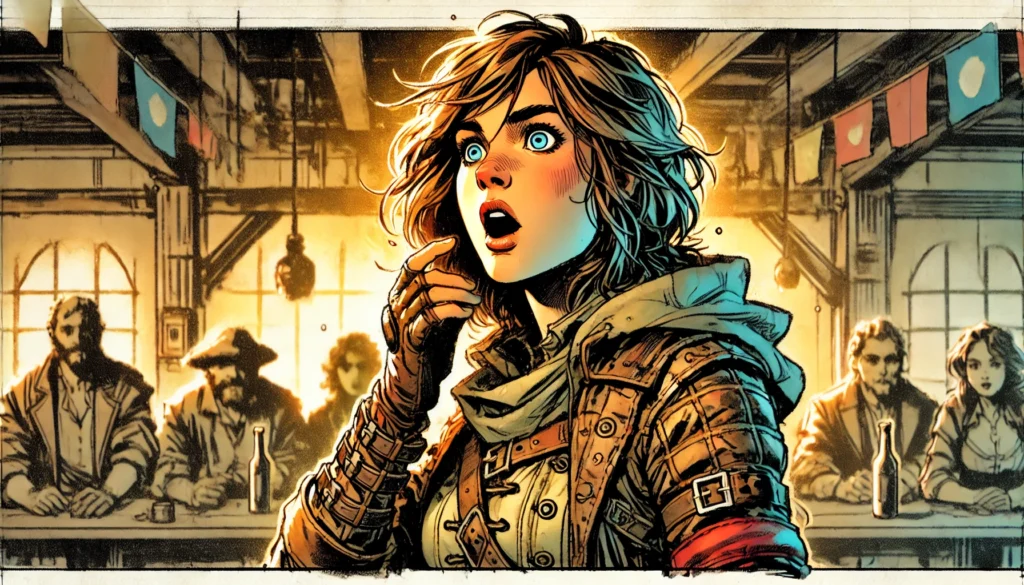
To build a Mastermind that truly reaches S-tier status, you must prioritize versatility over raw damage. While Dexterity is still your primary stat for AC, initiative, and attacks, the secondary stats define your playstyle. Unlike other rogues who might pump Constitution for survival, a Mastermind needs strong mental statistics—Intelligence and Charisma—to fuel their skills and investigative abilities. The goal is to build a character who can function as the party’s “Face,” “Scout,” and “Tactician” all at once.
Feat selection and multiclassing should focus on expanding your utility toolkit. You want feats that allow you to do more with your action economy or gather information that the DM is trying to hide. Because the Mastermind uses their Bonus Action almost exclusively for the Help action, you should avoid feats like Dual Wielder or Crossbow Expert that compete for that slot. Instead, look for passive buffs or reaction-based abilities.
Skill proficiencies are the ammunition for your features. You must take Expertise in skills that leverage your Master of Intrigue and Insightful Manipulator abilities. This usually means doubling down on Deception, Insight, Investigation, and Perception. A Mastermind who fails an Insight check is flying blind; a Mastermind who cannot be lied to is a god among mortals.
Optimizing Ability Scores and Skills
For ability scores, Dexterity should be your highest priority to ensure you can hit with your attacks (to trigger Sneak Attack when you aren’t Helping) and to keep your AC high. However, Charisma should be a close second. Your ability to pass off your mimicry relies on Deception (Charisma) checks if you are scrutinized. Intelligence is third, fueling Investigation and your ability to use forgery kits. Wisdom should not be dumped, as Insight is crucial for reading people before you manipulate them.
When it comes to skills, “Expertise” (doubling proficiency bonus) is your best friend. Deception is mandatory to make your mimicry and disguises hold up under pressure. Insight is equally critical; to manipulate someone, you must understand them, and it pairs perfectly with Insightful Manipulator. Perception and Investigation round out the build, ensuring you spot the clues that give you the leverage you need. Stealthis important, but for a Mastermind, “Social Stealth” (Deception) is often more valuable than “Physical Stealth.”
Different campaigns call for different skill packages. In a high-intrigue courtly game, History and Persuasion might take precedence over Acrobatics. In a gritty noir investigation, Investigation and Intimidation might be key. The Mastermind is flexible enough to adapt.
- The Courtier (High CHA): Expertise in Deception & Persuasion. Focus on navigating high society, mimicry of nobles, and political maneuvering.
- The Detective (High INT): Expertise in Investigation & Insight. Focus on finding clues, reading stats, and deducing enemy plans.
- The Spy (Balanced DEX/CHA): Expertise in Stealth & Deception. Focus on infiltration, disguises, and getting behind enemy lines.
- The Gang Leader (High CHA/STR): Expertise in Intimidation & Insight. Focus on controlling minions and frightening enemies into submission.
- The Archivist (High INT): Expertise in History & Arcana. Focus on forgery, deciphering ancient languages, and identifying magical threats.
- The Merchant (High CHA): Expertise in Persuasion & Insight. Focus on economic manipulation, bribery, and gaining access via trade.
- The Urchin King (DEX/WIS): Expertise in Sleight of Hand & Perception. Focus on street-level intel, pickpocketing keys/notes, and urban awareness.
- The Impostor (High CHA): Expertise in Performance & Deception. Focus on fully embodying roles, from jesters to generals.
- The Tactician (High INT/WIS): Expertise in Perception & Insight. Focus on battlefield awareness, spotting ambushes, and directing troops.
- The Poisoner (INT/DEX): Expertise in Nature & Medicine. Focus on crafting toxins (using kits) and delivering them via subterfuge.
- The Diplomat (High CHA): Expertise in Persuasion & Insight. Focus on conflict resolution, treaty forging, and avoiding combat entirely.
- The Ghost (High DEX): Expertise in Stealth & Acrobatics. Focus on getting into position to use 30ft Help action from impossible vantage points.
Remember, the Mastermind’s strength comes from having the right tool for the job. By diversifying your skills, you ensure that there is never a situation where you have to say, “I can’t do anything here.” You are the Swiss Army Knife of the party.
If you optimize your skills correctly, you become the filter through which the party interacts with the world. You determine if an NPC is trustworthy (Insight), you determine how to get past the guards (Deception), and you find the secret lever (Investigation). You are not just rolling dice; you are framing the narrative.
Feats, Items, and Multiclass Synergy
Feats are a great way to specialize your Mastermind. Actor is the gold standard; it grants advantage on Deception and Performance checks when trying to pass yourself off as a different person, which synergizes perfectly with your mimicry feature. Skilled or Prodigy (if human/half-orc/half-elf) grants even more proficiencies and expertise, widening your utility. Observant or Telepathic are excellent for boosting your information-gathering capabilities; Telepathic allows you to coordinate with allies silently, which is thematic and tactical.
For magic items, look for things that enhance your deception or action economy. A Hat of Disguise is infinite value for a Mastermind. Eyes of the Eagle or a Sentinel Shield improve your perception and initiative. Items like a Ring of Mind Shielding protect your thoughts, ensuring your double-agent status remains secure. Any item that summons a creature (like a Bag of Tricks) gives you another ally to position for Sneak Attack or to use your Help action on.
Multiclassing can unlock potent combinations. A 1-level dip into Knowledge Cleric grants two languages and expertise in two knowledge skills, plus medium armor and shields. A 3-level dip into Battle Master Fighter grants maneuvers like Commander’s Strike (giving an ally an attack) or Bait and Switch, emphasizing the warlord/tactician playstyle. A dip into Bard gives Bardic Inspiration, allowing you to buff allies with both your Bonus Action (Help) and your resources (Inspiration).
- Feat: Actor: +1 CHA, Advantage on Deception/Performance to mimic. Essential for the “Face” build.
- Feat: Telepathic: Detect thoughts and communicate silently. Perfect for coordinating heists without speaking.
- Feat: Alert: +5 Initiative ensures you go first to set up the Help action before the heavy hitters move.
- Feat: Ritual Caster (Wizard): Get Find Familiar (another Help action source) and Detect Magic. Massive utility boost.
- Feat: Inspiring Leader: Grant temp HP to the party. Fits the “Squad Leader” theme perfectly.
- Multiclass: Order Domain Cleric (1 Level): When you cast a buff spell (from a feat or race), an ally gets a reaction attack. extreme synergy with a support mindset.
- Multiclass: Battle Master Fighter (3 Levels): Maneuvers like Distracting Strike and Commander’s Strike stack with Mastermind tactics.
- Multiclass: Eloquence Bard (3 Levels): Unsettling Words subtracts from enemy saves; combined with Help, you control the math completely.
- Multiclass: Warlock (2 Levels): Mask of Many Faces invocation allows Disguise Self at will. Infinite disguises.
- Item: Glamoured Studded Leather: Change the appearance of your armor as a bonus action. Instant outfit changes.
- Item: Weapon of Warning: Advantage on Initiative and immunity to surprise for the party. Tactical superiority.
- Item: Wand of Web: Control the battlefield while using BA Help.
- Item: Gloves of Thievery: +5 to Sleight of Hand/Pick locks. Never fail a physical infiltration.
- Feat: Lucky: Reroll failed saves or enemy crits. Represent your uncanny planning and foresight.
- Multiclass: Divination Wizard (2 Levels): Portent dice allow you to dictate rolls. The ultimate “I planned for this” mechanic.
⚔️ Fantasy RPG Random Tables Books
Make life as a Gamemaster easier…
If you play Dungeons & Dragons, Pathfinder, or other fantasy RPGs, this
RPG random tables series
is packed with encounters, NPCs, treasure, and more. Available in eBook or print—either way, you’ll have a wealth of adventure ideas at your fingertips.
The key to synergy is selecting options that do not conflict with your Bonus Action Help. You want passive buffs, reaction abilities, or out-of-combat utility. Avoid things that demand your bonus action every turn, as Master of Tactics is almost always your best use of that resource.
By carefully curating your build, you create a character that is greater than the sum of its parts. You aren’t just a Rogue with a few extra languages; you are a telepathic, shape-shifting, truth-detecting field commander who makes everyone around you look like a superhero.
Party Composition and How Mastermind Elevates It
The Mastermind functions best when surrounded by allies who can capitalize on Advantage. A party consisting of four Masterminds would struggle, but one Mastermind and three damage dealers is a wrecking crew. They excel in parties with “Nova” potential—classes that can dump huge resources into a single attack. Paladins, Rogues, and Great Weapon Master Fighters are the primary beneficiaries. The Mastermind sets the volleyball; they spike it.
Conversely, the Mastermind also shores up party weaknesses. If the group lacks a high-Charisma face, the Mastermind fills that void. If the group lacks a Wizard for Intelligence checks, the Mastermind covers it. They act as the lubricant for the party machine, filling in the gaps in skills and utility so the specialists can focus on what they do best.
- The Paladin Buddy: You Help; they Smite. Crit fishing becomes a reliable strategy rather than luck.
- The Rogue Duo: You enable their Sneak Attack even when they are isolated. They can focus on damage; you focus on control.
- The Sharpshooter Ranger: You negate the -5 penalty from the Sharpshooter feat, drastically increasing their effective DPS.
- The Blaster Caster: You give the Warlock advantage on Eldritch Blast or the Sorcerer on Chromatic Orb.
- The Sumo Squad: You Help the Barbarian on Athletics checks, allowing them to grapple and shove prone any boss, locking them down.
- The Necromancer’s General: In a summon-heavy party, you can direct minion attacks or help the most powerful summon land its hit.
- The Glass Cannon Protector: You stay near the Wizard. If an enemy engages, you Misdirect the attack or Help the Wizard Shocking Grasp to escape.
- The Stealth Team: Your Pass Without Trace Druid/Ranger makes the team sneaky; you handle the talking if stealth fails.
- The Low-Magic Group: In a party with few casters, your non-magical utility (disguises, forgery) becomes the only way to solve magical-seeming problems.
- The Crit-Fishing Champion: Pair with a Half-Orc or Barbarian. Your constant advantage maximizes their racial/class crit bonuses.
- The “Save or Suck” Enabler: You use Insightful Manipulator to tell the Bard which enemies have low Wisdom, ensuring Hypnotic Pattern lands.
- The Assassin Setup: You use your skills to get the Assassin into a surprise round position, facilitating their auto-crit feature.
- The Tank Buffer: Help the Fighter using Sentinel feat land their reaction attacks, stopping enemies from moving.
- The Mage Slayer: Help the Monk land Stunning Strike. Advantage means they are less likely to waste Ki on a miss.
A well-played Mastermind enriches everyone’s spotlight time. When the Paladin obliterates a demon with a critical hit, they feel powerful, but the table knows the Mastermind handed them that crit on a silver platter. You make the other players feel awesome, which makes you the most popular player at the table.
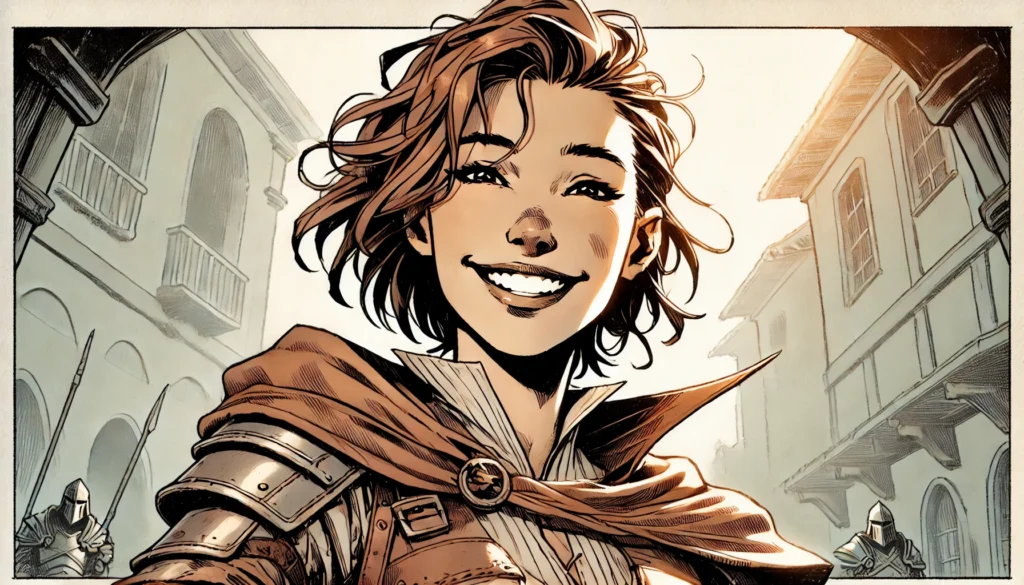
Table Expectations and Communication
Because the Mastermind relies heavily on “soft” power and DM buy-in, Session Zero is critical. You must clarify the tone of the campaign. If the DM plans a “kick down the door” dungeon crawl with zero roleplay, zero factions, and enemies that attack on sight, the Mastermind will feel underpowered. You need to ask: “Will there be opportunities for infiltration? Will intelligence gathering give us an advantage? Will social encounters be resolvable without combat?”
You also need to discuss how the DM rules the Help action and social skills. Some DMs are wary of “spamming” Help in combat, though the Mastermind features explicitly allow it. Ensure the DM understands that this is your core mechanic. Additionally, discuss the limits of Mimicry and Forgery. If the DM requires a roll for every single sentence spoken in a disguised voice, it weakens the class. Establish that your features work as written—you can mimic unerringly if you’ve studied the voice.
How to Showcase the Mastermind’s Strengths in Play
To showcase the Mastermind without overshadowing others, you must master the art of the “assist.” In roleplay, don’t try to solve every conversation yourself. Instead, use your mimicry or forgery to set up an ally. Forge an invitation for the Bard so they can perform for the King. Mimic a guard to distract the sentry so the Ranger can sneak past. Use your abilities to create openings for the rest of the party to walk through.
In combat, be vocal and descriptive about your Help actions. Don’t just say “I bonus action Help the Paladin.” Say, “I throw a pocket of sand at the orc’s eyes, distracting him so the Paladin can strike,” or “I shout out a gap in the armor I noticed earlier!” This adds flavor to the mechanic and reminds the table that you are actively influencing the fight, not just toggling a mechanic.
- Pre-Plan Social Goals: Before a scene, tell the DM, “I want to study the Duke to learn his stats/voice.”
- Share the Intel: When you learn stats via Insightful Manipulator, announce it in-character: “He’s weak-willed! Magic will break him!”
- The Setup Man: Use your forgery to create a fake identity for another player, allowing them to take the lead in a scene.
- Descriptive Help: Narrate how you are helping (distracting, pointing out flaws, throwing debris).
- Signal Calling: Be the one to call targets. “Focus fire on the mage!” makes you the tactical leader.
- Don’t Hog the Mic: Even if you have the highest Charisma, let the Paladin speak when it fits their oath. Support them with Insight.
- Use the Kits: Actively ask to use your forgery or disguise kit during downtime. Don’t wait for the DM to prompt you.
- Mimicry for Flavor: Use your mimicry for fun, small moments, not just big plot points. Mimic the innkeeper to order drinks.
- Protect the Plan: Be the one to remind the party of the plan when chaos breaks out.
- Build NPC Relationships: Use your languages and gaming sets to make friends in low and high places.
- Stay in Range: Remember your 30ft Help range. Don’t kite so far back you can’t support the front line.
- Celebrate Allies: When an ally hits because of your Help, cheer the loudest. “I told you that spot was open!”
A self-aware Mastermind elevates the party rather than hogging narrative space. You are the glue, the planner, and the safety net. By playing this way, you ensure that your “S-tier” contribution is felt by everyone, creating a cohesive and deadly unit.
Pitfalls and How to Avoid Them
The most common mistake is trying to play the Mastermind like a standard DPR rogue. If you are obsessing over your own Sneak Attack damage every turn, you are ignoring your most potent feature (Master of Tactics). While you should still attack, your priority is ensuring the party’s highest-value attacks land. Another pitfall is passivity—waiting for the DM to tell you when to use your kits or mimicry. You must be proactive, looking for opportunities to deploy your espionage tools.
| Mistake | Why it Hurts the Build | How to Fix It |
|---|---|---|
| Ignoring the Help Action | You lose your main combat utility and party DPS contribution. | Always check if an ally needs Advantage before using Cunning Action/Hide. |
| Playing Melee Only | You risk HP and limit your view of the battlefield. | Stay at mid-range (30ft) to use Help while staying safe. |
| Dumping Intelligence | Makes Investigation and Insightful Manipulator useless. | Keep INT at 12-14 minimum; use Expertise to boost it further. |
| Hoarding Information | The party can’t act on intel only you know. | Shout out enemy weaknesses/stats immediately in combat. |
| Forgetting Kits | Disguise/Forgery kits become dead weight on your sheet. | Ask the DM: “Can I forge a document to help us here?” regularly. |
| Ignoring Mimicry | You waste your strongest social infiltration tool. | Actively listen to NPCs and tell the DM “I am studying their voice.” |
| Trying to Solo | Mastermind has low solo DPR and defenses. | Stick to your heavy hitters; you are a force multiplier, not a solo carry. |
| Stealing the Spotlight | Annoys the table; Mastermind is a support role. | Use your skills to set up others for the cool moments. |
| Not Specifying Help | Slows down combat; confuses who has advantage. | Explicitly state: “I give advantage to the Paladin on the Boss.” |
| Underusing Bonus Action | Wasted action economy creates a weaker turn. | If you aren’t hiding/dashing, you must be Helping. |
| Playing “Edgelord” | The “silent brooding rogue” cannot lead or communicate. | Be a talkative, active tactician who communicates constantly. |
| Ignoring Terrain | You miss opportunities to use terrain for Misdirection. | Look for cover and positioning relative to allies/enemies. |
Correcting these habits is key to reaching S-tier performance. The Mastermind requires a mindset shift from “What can I do?” to “What can we do?” Once you make that shift, the class unlocks its true potential.

Final Thoughts: The Hidden Power of the Mastermind Rogue
The Mastermind Rogue is a subclass that hides its power in plain sight. It doesn’t offer the flashing lights of a Fireball or the buckets of dice of a Divine Smite. Instead, it offers control. It allows a player to control the social narrative through mimicry and forgery, control the flow of information through stat analysis, and control the mathematics of combat through the Help action. In a game system often defined by randomness, the Mastermind offers certainty.
Try my AI Tabletop RPG generators...and an extensive library of content!
To call the Mastermind “S-tier” is to acknowledge that D&D is more than just a combat simulator. In a campaign rich with political intrigue, faction warfare, and complex mysteries, the Mastermind is peerless. They can dismantle a villain’s organization without drawing a blade, turn enemies into allies with a well-placed lie, and ensure that when violence does occur, it is swift and decisive. They are the ultimate problem solvers.
The strength of this subclass emerges through player intention. It demands a player who is engaged, creative, and willing to think outside the box. It is not a “autopilot” subclass. But for the player who wants to feel like the smartest person in the room—the one who planned the heist, forged the papers, and signaled the sniper—there is no better choice.
DMs and players alike should embrace the narrative richness the Mastermind offers. A Mastermind in the party forces the story to be deeper, the NPCs to be more complex, and the tactics to be sharper. They raise the ceiling of what the entire group can accomplish.
In a world of brute force and magical explosions, the Mastermind proves that the most dangerous weapon is a sharp mind. While others fight the battle, the Mastermind has already won the war. In the right hands, in the right campaign, no rogue outplays the Mastermind.
